My struggles with Ehlers Danlos Syndrome (EDS): Myofascial Pain syndrome, Systemic Nickel Allergy Syndrome, Chronic Fatigue, and Fibromyalgia…and how I cope.
If you have chronic pain, it’s not uncommon to have needs that not everyone is going to get. Before the condition is diagnosed, I’ve heard many stories of people being ostracized, misunderstood, bullied and judged. Many of us with EDS had difficult births which lead our nervous systems to undergo developmental stages differently. This page is about living with sensitivity and kind attention towards your chronic pain.
What is this post not saying?
This post is not advise. I am sharing what works for me in managing the difficulties of EDS and its’ comorbid conditions. I am also not referring to extreme situations such as spousal abuse. Safety first.
These are my little life hacks for that.
What works for me
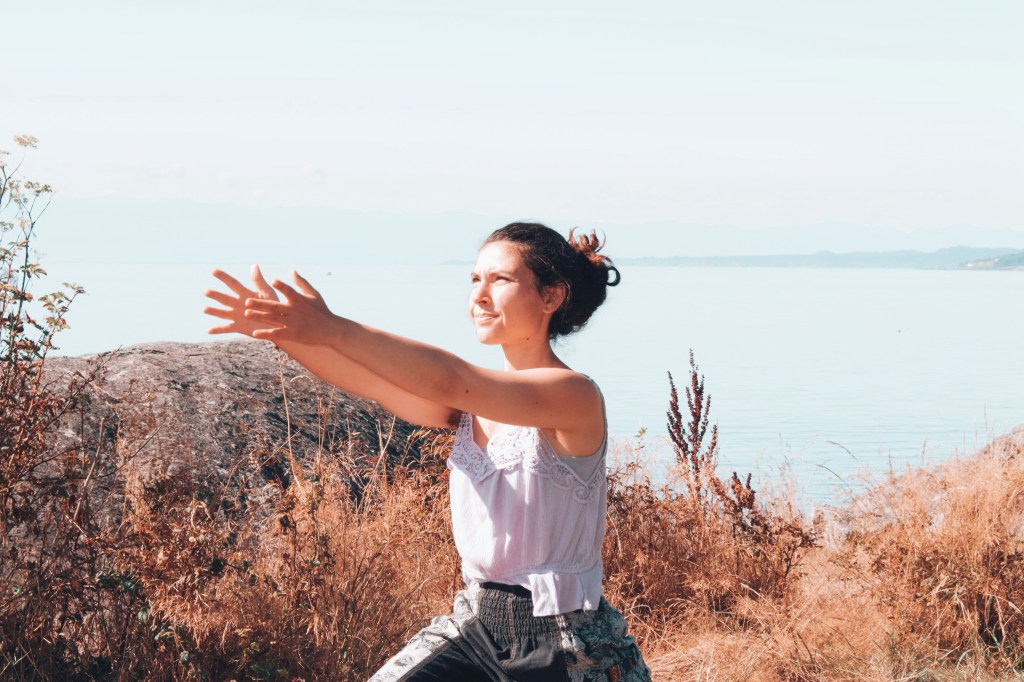
- I go into nature to reflect on life and making sure to do bilateral movement to process. I’ll do an academic piece on bilateral movement, nature bathing and trauma processing on a later date.
- Use a mantra, phrase or theme as I process the past and move out of trauma: “May I be well. May I be kind. May I be at peace” is my favourite. I try to choose one that supports my spirits.
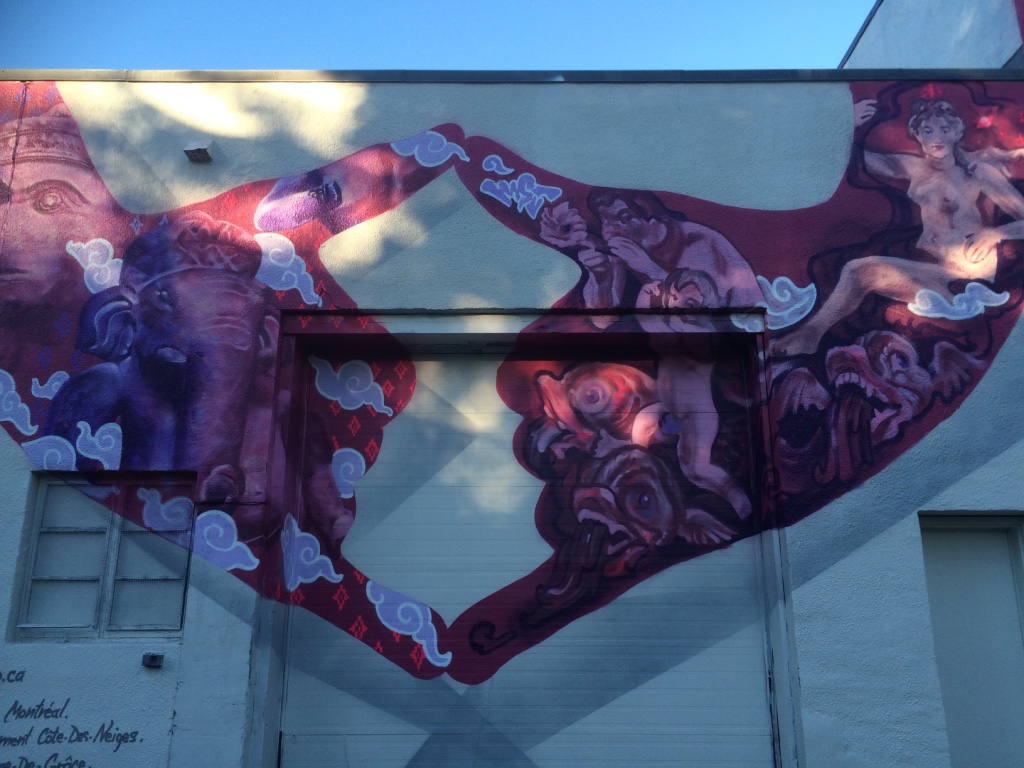
- My friend Christa (with a C) offered this one to me. Ask a question everyday. Allow that curiosity to guide my actions. Chronic pain can be isolating causing connectivity trauma. This can amplify our sensitivity to our cultural fixation on themes of permissibility and rejection. If this is unclear, think of it this way, most multi-million dollar institutions construct hierarchies that provide little guidance nor promote a growth mentality. Instead, they expect everyone to figure things out on their own. This is hard for anyone, let alone those with disabilities or chronic pain. We already have to manage every little movement we make as to not dislocate our cranial-cervical junction–jokingly to keep our head on straight– now we have to mind read on top of that! If we fail, we face serious rejection. In the words of the sad dog diary, “This is too much! I must pee on the bed for comfort.” In these environments if you complain about the structure, no one says sorry because measures are punitive, so complaints are therefore rejected and it is therefore questionable if we are allowed to exist if we cannot be safe. I instead try to ask myself, “in what ways can I learn today?” I am still working on this one, but I am really enjoying it. If I’m met with contempt for my humility, I am practicing walking away until they are ready to ask why.
- Laugh at the discomfort brought on by others and yourself. Laugh when you find common humanity between those you outgroup and yourself. Adopt a good sense of dark humour-laughter is the key to wellness, literally. a good belly laugh helps us to shake out trauma and stress. That is why we get nervous laughter or when someone thing is too much, we laugh. It gets us out of freeze mode. When you have EDS you are still going to face sexism, racism, ablism. It’s not like life only throws us one thing. I have done comedic interpretive dances to the poems written to me by those that have raped and attempted to embody their chosen metaphors–I look ridonculous. I have privately deconstructed their metaphors. I have made lists comparing the emotional intelligence of my late hamster, Hannah the second, to those who hold power over me. You may be surprised at how emotionally attuned rodents can be! I have been told by (Christa with c) that because I am a butterfly in a world of cocoons I want to crack the cocoon open because the joy of flight is so wonderful, but doing so will harm them if they aren’t ready. While I see flaws to the analogy, I see the merit and laugh at the idea of being a cocoon cracker and think I should make a shirt with a nutcracker on it with a cocoon in the middle. Under it would be the statement “If you want to see the butterfly, you cannot crack open the cocoon”. Laugh joyfully at our own naivety. Laugh at those that harm us and when they ask why I am laughing I say, it’s because you said something silly/did something thoughtless, just like me. This brings us back to the commonness of humanity.

- Common humanity. I am different and so are you. We are all individuals, we have that in common, the paradox has me in giggle fits. As humans we all share in capacities to feel, to grow, to suffer and to learn. Learning defined by neuroscience is the capacity to make long lasting changes to the nervous system. We can all get hurt. We can all be harmed and in the right circumstances it is possible that we can all experiences better health, make changes to the nervous system and therefore learn.
- Build resilient communities. I am not personally resilient, my body hurts too much, but that’s okay, my people are kind and they help me bounce back. True fact: the singer Sia has EDS. The chorus for her song elastic heart came out of her feelings regarding her health struggles “I’ve got thick skin and an elastic heart, but your blade might be too sharp, I am like an elastic band until you pull too hard.” I find those I know with EDS have more emotional lability which means we can bounce back better than most, until you pull too hard and something actually does un-reparable harm. Our bodies get hurt. We need spaces where healing and wellness is a daily practice. For those reasons we need spaces and people who are safer, trauma informed, humanizing and problem solvers. Resilience is not just a personal trait, it is a cultural practice (or not in some places) and community based. Communities that promote empathy, growth and compassion are better for us than those that look for spaces that allow me to make positive changes to my nervous system. We can learn to be in pain, to act of pain or we can learn to act in healing ways. We learn pain when the world around us causes us pain. We learn to heal by forming spaces that let us learn kindly, without fear but with guidance.
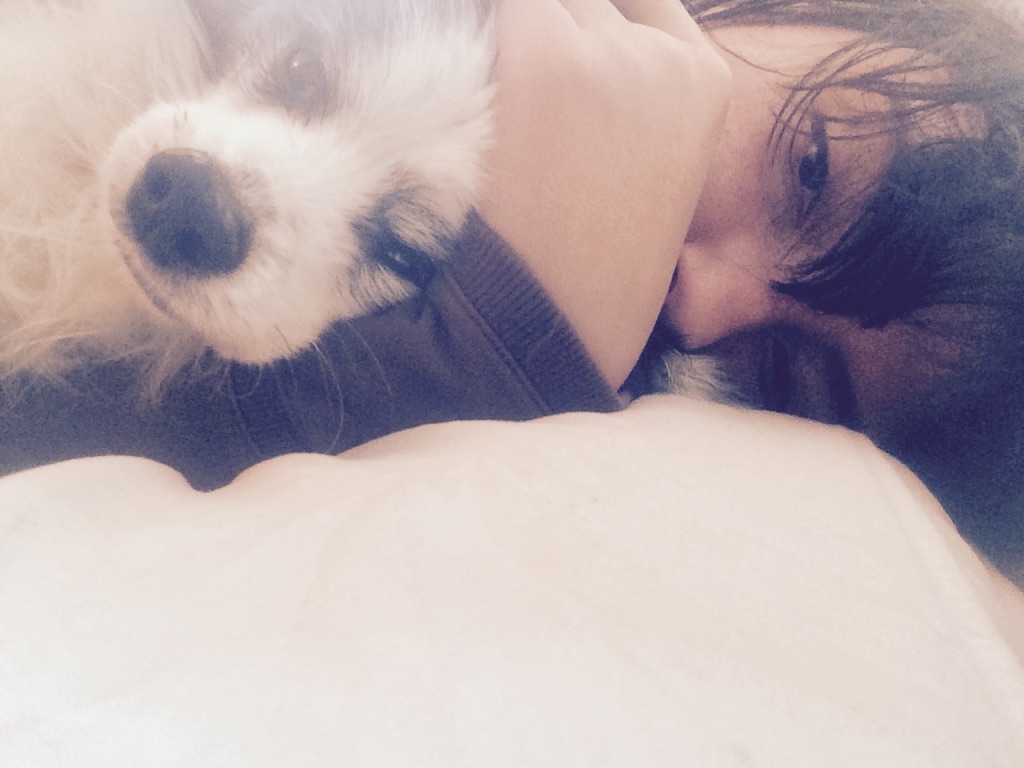
- Know the nervous system and its’ sentience. When we heal the nervous system, we alter our brain and brain stem. When I first experienced this my synaesthesia became so amplified my world was full of colour and sight even as I went blind in my left eye, which comes and goes. When I later broke my spine and my community at the time said that my pain was emotional rather than physical I started to lose positive feelings and the beautiful colours that compensated for my loss of sight. My synaesthesia reduced to mirror synaesthesia under that stress, in which I could feel what others felt. My synaesthesia moves in waves as my nervous system adapts, sometimes attuning me to pain other times liberating me from it. Moving forward in life, I hope my learning allows for me to be expansive and if I have to feel my pain and your pain, my community understands this supports me and does not treat me like a science experiment or number, understanding nervous systems gives sentience to life and it allows us to find different ways to learn those ways are valid. Science doesn’t need to understand my synaesthesia for me to learn with it. They don’t need to validate blindsight for it to exist. Mandy Harvey is profoundly deaf due to her EDS and she sings with near perfect pitch by essentially feeling sound (synaesthesia), call it what you will, but I believe nervous systems are sentient–creating miracles, heavens and hells. It is a remarkable experience to feel. We have yet to measure that wonder, but that does not dismiss that wonder and what we can do with it. Find your way and space to connect with your nervous system and expand it.
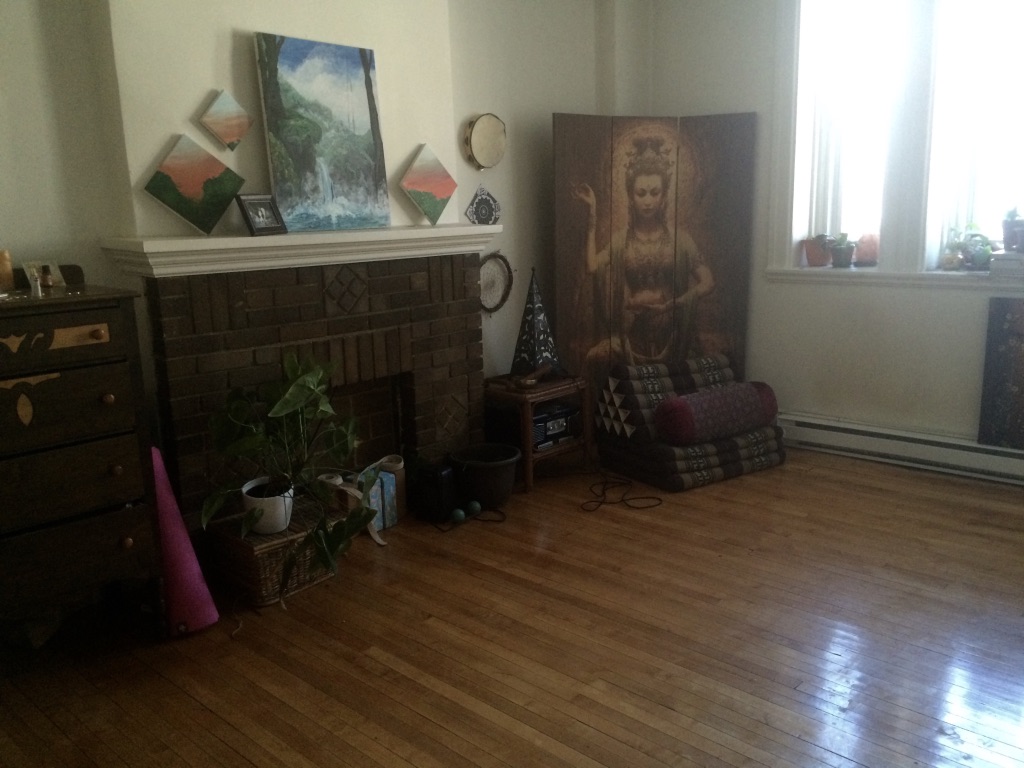
- Understanding the power of nervous systems and the ways they exist in micro and macro levels. Our nervous systems connect us! We have these eyes, ears, skin, and voices to reach out, we have interoception to reach in. Have you seen a tree try to grow in a concrete box? It is small and limited. A tree doesn’t grow like that in the forest. In the forest tree roots reach out and expel scent to communicate with other trees, a tree surrounded by gravel cannot connect, the tree in isolation cannot resource with other plant life, we are not so different. In healing connectivity trauma, if we can understand our nervous systems through nature, we can imagine what is too small to see by analogy, this is one of the ways of knowing taught in Ayurvedic medicine. We need to connect with others and we need space and land to wander and reach out. Compartmentalizing is a coping mechanism meant to serve us for limited periods of time and to be used sparingly. When it is pervasive it becomes segregation and isolation which provokes anyone tendencies towards anxiety, social or otherwise. In isolation the world outside our pod is an unknown, our growth is limited and so is our wellness.
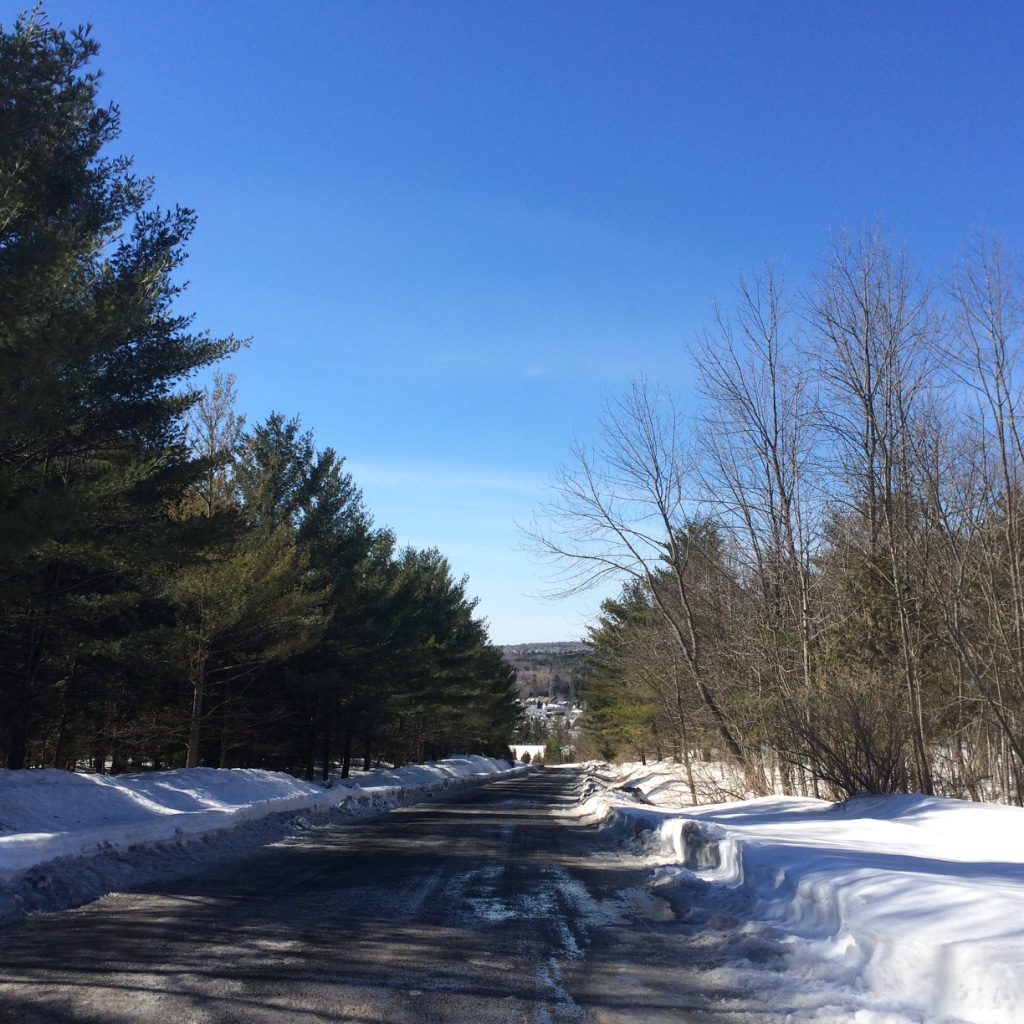
- Be Ms. Frizzle, Arnold, and D.A. all at once! “Take chances, make mistakes and get messy.” We need more Ms. Frizzles who allow us to experience our world and ourselves but we also need to do risk assessment for physical and emotional limitations (Arnold). Then let’s not forget Dorothy-Ann! We need to stay informed and articulate.
 kind movement. Compassionate mind. Empathic research.